H&M Review: What It Offers, Where It Is Strong, and What It Costs
H&M reviewed: fashion for everyone at the lowest practical price, with an enormous range and short lifespans.
Wardrobe Atlas is not affiliated with H&M and receives no payment from the brand. This review contains no affiliate links and no purchase links. Prices are typical ranges as of November 2026.
H&M is one of the largest clothing retailers in the world, and in the United States it is the store people visit when they want a lot of fashion for very little money. Founded in Sweden in 1947, it built its business on fast fashion at low prices, and it now sells everything from basics to trend-led dresses to children's clothes. This page explains what H&M offers, where it is strong, where it is not, who it suits, and what its clothes typically cost — and it is frank about the trade-off at the heart of the brand: low prices mean short lifespans.
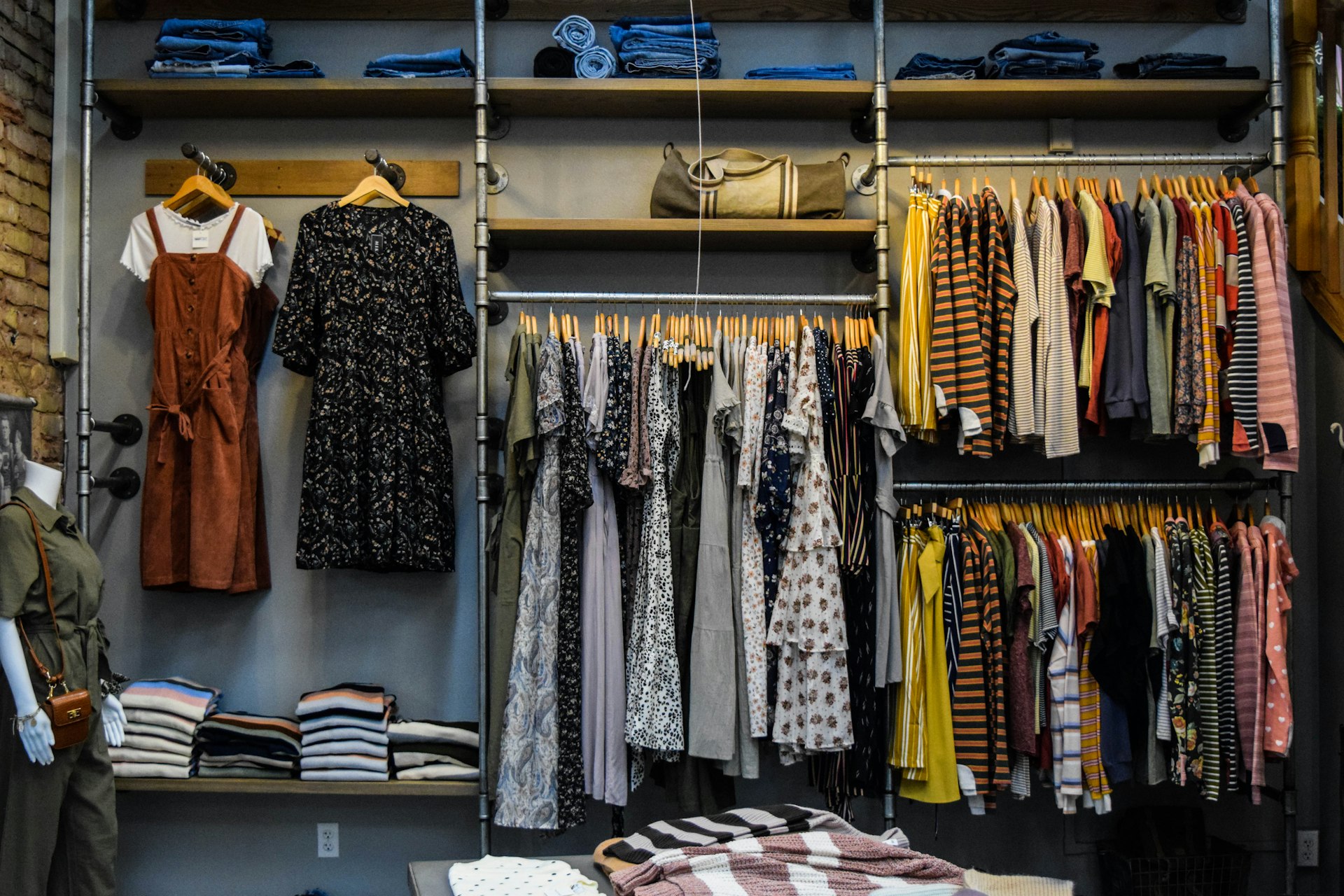
Brand overview: origins and positioning
H&M — Hennes & Mauritz — was founded in Västerås, Sweden, in 1947 by Erling Persson, and it grew from a single women's clothing store into one of the largest fashion retailers in the world. The company's model is fast fashion at low prices: a very wide range, frequent new arrivals, and prices that are among the lowest of any major retailer. Its public reporting describes it as a global fashion retailer, and its store network covers most large American cities as well as a large online business.
H&M's positioning is fashion for everyone at the lowest practical price. It is not a mid-market brand like Gap or Zara; it is a budget brand, and its prices reflect that. A T-shirt, a dress, or a pair of trousers at H&M typically costs less than the same item at most competitors, and that is the brand's core appeal. Public brand-recognition surveys in the United States and Europe regularly place H&M among the best-known clothing retailers, and its stores are a fixture of shopping malls. That recognition reflects its scale and its price, not a claim about quality — and this page judges H&M on quality, fit, and value, with the price always in view.
H&M sells through its own stores and website. It does not sell through other retailers, and its prices are consistent across the country, subject to sales. Its range is divided into several sub-lines, including Divided for younger customers, H&M Studio for higher-priced limited collections, and a Conscious line that uses more sustainable materials — though the scale and impact of those efforts are a matter of public record rather than a claim we can verify from a single product.
Main product lines
| Line | What it covers | Notes |
|---|---|---|
| Woman | Dresses, tops, trousers, jackets, knitwear | The largest line; trend-led and very wide |
| Man | Shirts, trousers, jackets, T-shirts, knitwear | Basics and trend-led pieces at low prices |
| Divided | Younger, more casual styles | Aimed at teenagers and young adults |
| Kids and baby | Children's and baby clothing | A large range; useful for fast-growing children |
| Home and accessories | Home textiles, bags, jewellery, shoes | Secondary lines that complete the store offer |
The women's line is the heart of H&M, and it is where the brand's range is widest and its prices lowest. The men's line is more focused on basics and is often better value, because a plain T-shirt or a simple shirt is harder to get wrong than a trend-led dress. The children's line is one of the brand's most practical offers, because children outgrow clothes quickly and low prices matter more than longevity. Our capsule wardrobe guide explains how to use budget pieces without letting them become the whole wardrobe.
Strengths
- Price. Among the lowest prices of any major retailer, which makes fashion accessible to almost everyone.
- Range. An enormous range of styles, colours, and sizes, with new stock arriving constantly.
- Basics at low prices. Plain T-shirts, vests, and simple knitwear are good value for the price.
- Children's clothing. A practical, affordable range for children who outgrow clothes quickly.
- Availability. Easy to find in stores and online across the United States.
Weaknesses
- Durability. Many H&M garments are not made to last: thin fabrics, weak seams, and colours that fade quickly are common.
- Fabric. A large proportion of the range uses cheap synthetics, especially polyester, which can feel uncomfortable and pill quickly.
- Fit inconsistency. Sizing varies widely between styles, and the same size can fit very differently in two garments.
- Short lifespan. Many garments are designed for a season, and they show wear after a few washes.
- Overconsumption pressure. Very low prices encourage buying more than you need, which is the opposite of a capsule wardrobe and has an environmental cost.
Who it suits — and who it does not
H&M suits people on a tight budget, people who want a trend-led piece for a single season or a single event, and parents buying clothes for fast-growing children. It suits people who are willing to inspect fabric and construction carefully, because the range rewards careful choosing: a well-made H&M basic can be good value, while a poorly made one is a waste of even a small amount of money.
H&M does not suit everyone. It is not the best choice for building a long-lasting wardrobe of basics — for that, see our fabric guide and the brands that specialise in durable basics, such as Uniqlo and Gap. It is not the best choice if you value natural fibres and durable construction above price, because at H&M's prices, those are the first things to be cut. And it is not the best choice if you want a small wardrobe with few decisions, because the range is enormous and changes constantly.
Typical prices (as of November 2026)
| Item | Typical price range |
|---|---|
| T-shirts and tops | Typically around $10–$25 |
| Dresses | Typically around $20–$50 |
| Trousers and jeans | Typically around $20–$45 |
| Knitwear | Typically around $20–$45 |
| Jackets and coats | Typically around $35–$80 |
| Children's clothing | Typically around $5–$25 |
Prices vary by style and by sale, and H&M holds frequent promotions. Treat these figures as a guide to the brand's price level, not as a quote for a specific product.
Editorial verdict
H&M is the cheapest way to buy fashion, and that is both its strength and its weakness. Its basics can be good value, its children's range is practical, and its trend-led pieces let you try a look without a large investment. But its clothes are often not made to last, its fabrics are often cheap synthetics, and its low prices encourage buying more than you need. The way to use H&M well is to buy selectively and cheaply: choose simple basics in fabrics you have checked, avoid the most trend-led pieces unless you genuinely want them for a season, and do not buy an H&M garment as a long-term investment when another brand does the same thing better for a little more money. For keeping budget clothes in good condition, see our clothing care guide and our laundry mistakes guide. Wardrobe Atlas has no affiliation with H&M and receives no payment from the brand; see our brands index for the same treatment of Zara and Uniqlo.
About the Author
Alex Carter writes Wardrobe Atlas. He researches clothing the slow way: reading fabric labels, comparing construction across brands, checking size charts against real measurements, and wearing pieces through ordinary weeks of work, travel and laundry before writing about them. He receives no payment from the brands discussed on this site, and Wardrobe Atlas currently contains no affiliate links.
More Brand Reviews
More Guides
- How to Build a Capsule Wardrobe That Actually Works in the US
- Denim Fit Guide: How to Read Size, Rise, Stretch and Wash
- Winter Layering Without the Bulk
- How to Tell Good Fabric From Cheap Fabric Before You Buy
- Workwear That Survives a Full Day: What to Look For
- Athleisure vs Activewear: Where to Spend and Where to Save
- Holiday Gift Guide: Practical Clothing Gifts by Budget
- How to Care for Your Clothes So They Last Twice as Long