Nike Review: What It Offers, Where It Is Strong, and What It Costs
Nike reviewed: running shoes, training clothes and athleisure — strengths, weaknesses, who it suits, and typical prices.
Wardrobe Atlas is not affiliated with Nike and receives no payment from the brand. This review contains no affiliate links and no purchase links. Prices are typical ranges as of November 2026.
Nike is the most recognisable sportswear brand in the world, and in the United States it is part of everyday life in a way that few clothing brands ever achieve. Its shoes are worn for running, for basketball, for the gym, and for walking the dog. Its clothing is worn for training and for lounging, by athletes and by people who have never run a race. This page explains what Nike actually offers, where it is strong, where it is not, who it suits, and what its clothes typically cost — so you can decide whether it deserves a place in your wardrobe, and which of its lines are worth your money.
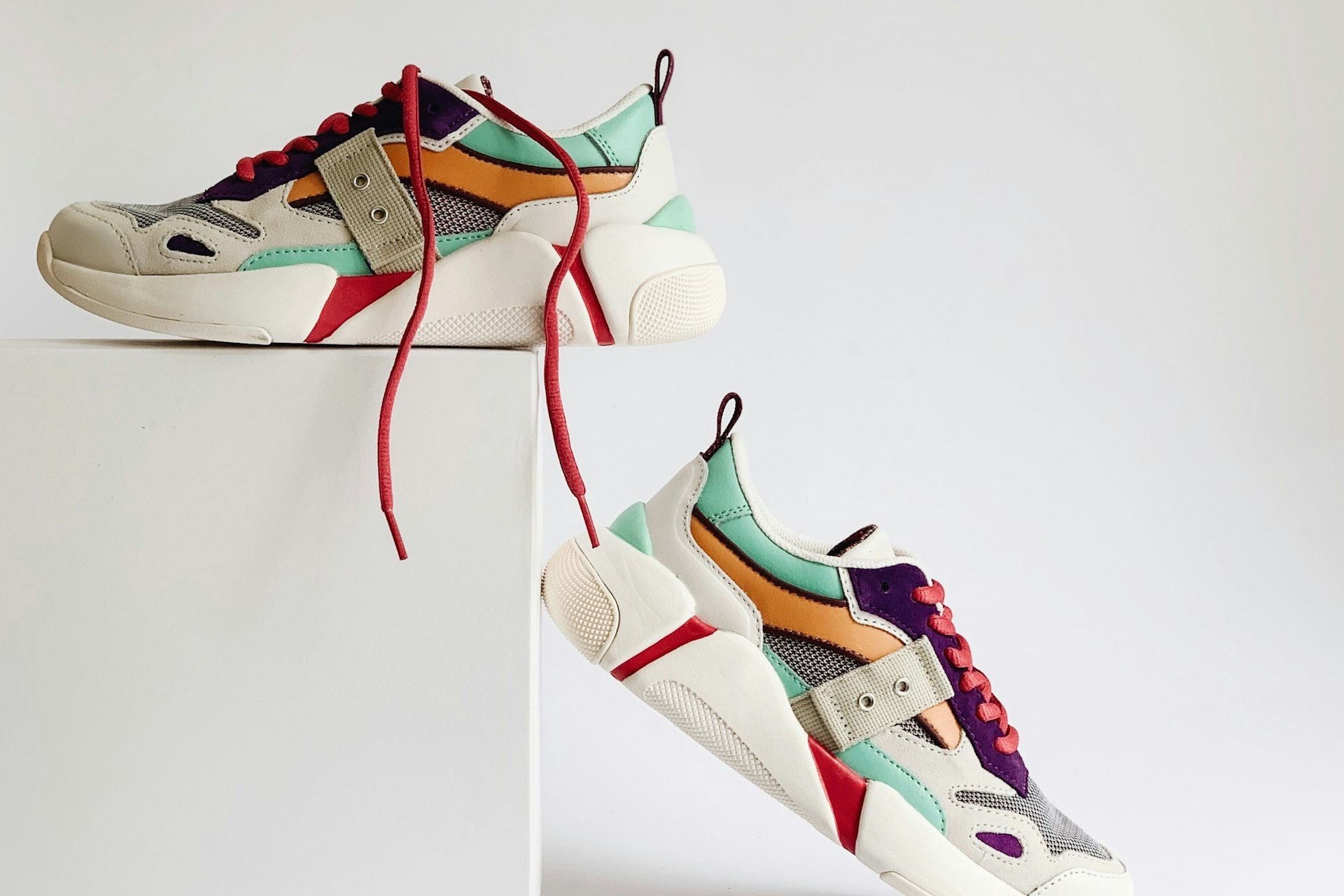
Brand overview: origins and positioning
Nike began in 1964 as Blue Ribbon Sports, a small distributor of Japanese running shoes founded by Phil Knight and Bill Bowerman in Oregon, and it became Nike in 1971, taking its name from the Greek goddess of victory. The company grew from running shoes into basketball, training, and lifestyle clothing, and it is now headquartered in Beaverton, Oregon. Its public reporting describes it as a global athletic footwear and apparel company, and its annual revenues place it among the largest clothing companies in the world — a scale that shows up in the breadth of its range, the size of its stores, and the availability of its products almost everywhere in the United States.
Nike's positioning is athletic performance first and lifestyle second, but the two have blurred over time. Many of its most popular products — running shoes, hoodies, leggings — are worn as everyday clothes rather than for sport, and the company designs for both uses. Public brand-recognition surveys in the United States and the United Kingdom regularly place Nike among the best-known apparel and footwear brands, and its "swoosh" mark is one of the most widely recognised symbols in clothing. That recognition is a useful signal: it means the brand is easy to find, easy to resell, and easy to compare across retailers. It does not mean every Nike product is good, and this page judges the products on their merits rather than on the brand's fame.
Nike sells through its own stores and website, through department stores and sporting-goods retailers, and through outlets. That wide distribution means prices vary: the same item can be found at full price in a Nike store and at a discount in an outlet or during a sale. It also means sizing and availability are generally good in the United States, with a wide range of sizes in most core products, including extended sizes in many lines.
Main product lines
| Line | What it covers | Best known for |
|---|---|---|
| Running | Running shoes, tops, shorts, tights | Cushioned road shoes and lightweight training tops |
| Basketball | Basketball shoes, jerseys, shorts | Performance basketball footwear and retro lifestyle shoes |
| Training and gym | Training shoes, leggings, shorts, tops | Versatile gym wear that doubles as everyday clothing |
| Sportswear and lifestyle | Hoodies, sweatpants, T-shirts, jackets | Everyday fleece and athleisure staples |
| Jordan Brand | Basketball-inspired shoes and clothing | A sub-brand with its own following and its own pricing |
The running line is where Nike's technology is most visible: different shoes for different kinds of running, from daily training to racing, with different levels of cushioning and support. The training line is where most everyday buyers will find the best value, because training shoes and leggings are designed to be versatile. The lifestyle line is where the brand's athleisure strength lies — the hoodies and sweatpants that are worn far more often outside the gym than inside it. Our athleisure versus activewear guide explains how to tell performance clothing from lifestyle clothing, and it is worth reading before you buy Nike for a specific sport.
Strengths
- Range and availability. Almost every product is available in many sizes and colours, and it is easy to find in stores and online across the United States.
- Footwear technology. Nike invests heavily in running-shoe cushioning and support, and its running shoes are consistently among the most popular choices for everyday runners.
- Consistent sizing within lines. Within a single line, sizing is generally predictable, which makes reordering and online shopping easier.
- Durability in core products. Well-chosen running shoes and training clothes hold up well to regular use and washing.
- Resale and recognition. Popular styles hold their value better than most clothing, and the brand is easy to compare across retailers.
Weaknesses
- Price. Full-price Nike is a mid-to-premium purchase, and popular styles rarely go on sale at full price in Nike's own stores.
- Too many similar products. The range is so large that two shoes or two hoodies can look almost identical while differing in price and performance, which makes choosing harder.
- Fast-fashion pressure. Some lifestyle pieces are made to a price and do not last as long as the performance lines.
- Fit varies between lines. A running shoe and a lifestyle shoe in the same size can fit differently, and apparel fits vary between the performance and lifestyle ranges.
- Hype pricing. Limited-edition releases can sell for far more than their functional value, and they are not a sensible purchase for everyday wear.
Who it suits — and who it does not
Nike suits runners, gym-goers, and anyone who wants athletic clothing that also works as everyday wear. It suits people who value a wide choice of sizes and colours, who want to try shoes on in a store before buying, and who are willing to pay a mid-range price for reliable performance. It is a good choice for building an athleisure wardrobe, because its hoodies, leggings, and trainers are designed to work together.
Nike does not suit everyone. It is not the best choice for formal or smart-casual dressing — its strength is athletic and casual, not tailored. It is not the cheapest option for basic activewear, and if your budget is tight, other brands offer similar everyday performance for less. And it is not the best choice if you want a small, curated wardrobe with few decisions, because the range is so large that choosing takes time. If that sounds like you, our capsule wardrobe guide will help you narrow the choice before you shop.
Typical prices (as of November 2026)
| Item | Typical price range |
|---|---|
| Running shoes | Typically around $100–$200; racing and premium models typically around $200–$280 |
| Training shoes | Typically around $80–$150 |
| Hoodies and sweatshirts | Typically around $55–$110 |
| Leggings and tights | Typically around $50–$110 |
| T-shirts and training tops | Typically around $30–$65 |
| Shorts | Typically around $30–$70 |
Prices vary by retailer and by sale, and outlets and seasonal sales often reduce them substantially. Treat these figures as a guide to the brand's price level, not as a quote for a specific product.
Editorial verdict
Nike earns its reputation in performance footwear and in everyday athletic clothing. Its running shoes are a sensible choice for most runners, its training clothes are versatile and durable, and its lifestyle range is a reliable source of athleisure staples. The brand's weakness is its own size: the range is so large that choosing well takes effort, and the price is higher than the cheapest alternatives for similar everyday performance. Buy Nike for the product, not for the logo — try the shoe on, check the fit, and compare it with a competitor at the same price before you commit. If you do that, Nike is a solid, dependable choice for the athletic half of your wardrobe, and a reasonable one for the casual half. For the rest of your wardrobe, see our denim fit guide and our trousers guide. Wardrobe Atlas has no affiliation with Nike and receives no payment from the brand; see our brands index for the same treatment of Adidas and Lululemon.
About the Author
Alex Carter writes Wardrobe Atlas. He researches clothing the slow way: reading fabric labels, comparing construction across brands, checking size charts against real measurements, and wearing pieces through ordinary weeks of work, travel and laundry before writing about them. He receives no payment from the brands discussed on this site, and Wardrobe Atlas currently contains no affiliate links.
More Brand Reviews
More Guides
- How to Build a Capsule Wardrobe That Actually Works in the US
- Denim Fit Guide: How to Read Size, Rise, Stretch and Wash
- Winter Layering Without the Bulk
- How to Tell Good Fabric From Cheap Fabric Before You Buy
- Workwear That Survives a Full Day: What to Look For
- Athleisure vs Activewear: Where to Spend and Where to Save
- Holiday Gift Guide: Practical Clothing Gifts by Budget
- How to Care for Your Clothes So They Last Twice as Long