Levi's Review: What It Offers, Where It Is Strong, and What It Costs
Levi's reviewed: denim heritage, numbered fits, and where the brand is strong — and where it is not.
Wardrobe Atlas is not affiliated with Levi's and receives no payment from the brand. This review contains no affiliate links and no purchase links. Prices are typical ranges as of November 2026.
Levi's is the company that invented the blue jean, and it has been making denim in the United States since 1853. The 501 jean, first sold in 1873, is one of the most recognisable garments in the world, and it is still the reference point against which other jeans are judged. This page explains what Levi's offers today, where its jeans are strong, where they are not, who they suit, and what they typically cost — so you can decide whether Levi's deserves to be your default jean, and which of its fits are worth trying.
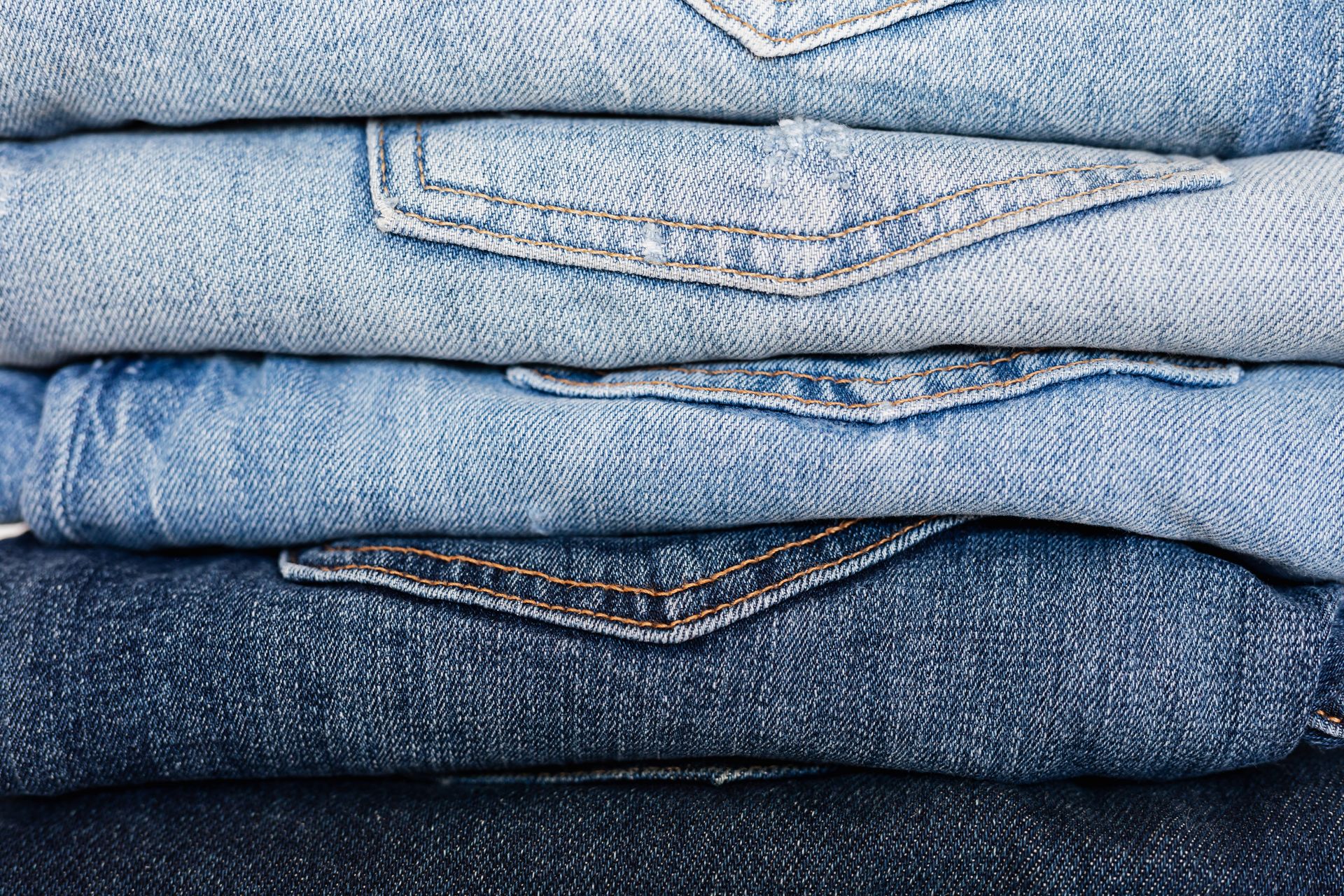
Brand overview: origins and positioning
Levi Strauss & Co. was founded in San Francisco in 1853, and in 1873 it patented the riveted denim work trouser with tailor Jacob Davis — the garment that became the 501. The company grew from workwear into everyday clothing, and denim became a global uniform: worn for work, for leisure, and for fashion, by almost everyone, in almost every country. Levi's is headquartered in San Francisco, and its public reporting describes it as a global denim and casual clothing company. Its scale is large, but its identity is narrow and consistent: denim first, everything else second.
Levi's positioning is denim heritage with a mid-market price. It is not a luxury brand and it is not a budget brand; it sits in the middle, where most American jeans buyers shop. Public brand-recognition surveys in the United States regularly place Levi's among the best-known denim brands, and the 501 is one of the few garments that is recognisable by its number alone. That heritage is a real asset: it means the company has decades of experience in denim fabric, fit, and washing, and it means its jeans are widely available and easy to compare. It does not mean every Levi's jean fits every body, and fit is where this page spends most of its attention.
Levi's sells through its own stores and website, through department stores, and through outlets, and its jeans are also widely available secondhand — which is a useful test of durability, because a brand whose jeans survive long enough to be resold is a brand whose jeans last. For secondhand buying, see our secondhand buying guide.
Main product lines
| Line | What it covers | Notes |
|---|---|---|
| 501 Original | Straight-leg jeans, button fly | The classic fit; the reference point for the brand |
| 505, 511, 512, 514 | Regular, slim, tapered and straight fits | The numbered fits cover most body shapes |
| Women's fits | High-rise, skinny, straight, wide-leg and curvy fits | Curvy fits are cut with a different waist-to-hip ratio |
| Trucker jackets | Denim jackets in several washes | A layering staple that pairs with almost any outfit |
| Tops, chinos and shorts | Denim shirts, T-shirts, non-denim bottoms | Secondary lines; denim remains the core |
The numbered fit system is both a strength and a source of confusion. Each number is a different cut — a different rise, leg shape, and taper — and the same number can feel different in different fabrics and washes, because stretch and wash affect the fit. The only reliable way to find your Levi's fit is to try several numbers on, in the fabric you intend to buy, and to compare them against the method in our denim fit guide, which explains rise, stretch, and wash in detail.
Strengths
- Denim expertise. Decades of experience in denim fabric, weaving, and washing, which shows in the consistency of the core lines.
- Fit range. The numbered system covers straight, slim, tapered, and relaxed cuts, with curvy options for women.
- Availability. Easy to find in stores across the United States, in a wide range of sizes and lengths.
- Durability. Well-chosen Levi's jeans, especially in rigid or low-stretch denim, last for years and age well.
- Value. Mid-market pricing with frequent sales and outlet availability.
Weaknesses
- Fit varies by fabric and wash. The same numbered fit can feel different in rigid denim, stretch denim, and different washes, which makes online ordering a gamble.
- Quality varies across the range. The core denim lines are generally well made; some of the cheaper, fashion-led lines are less durable.
- Sizing inconsistency. Waist sizes can run small or large depending on the fit and the fabric, and the label is not always a reliable guide.
- Limited beyond denim. Non-denim lines are competent but not the brand's strength, and other brands often do those categories better.
- Wash fading. Dark washes fade with washing, and light washes show wear quickly, so care matters more than with some competitors.
Who it suits — and who it does not
Levi's suits anyone who wants a reliable, mid-priced jean in a classic cut. It suits people who value denim heritage and who are willing to try several fits to find the right one. It suits people who want a jean that ages well — rigid denim softens and fades in a way that looks better over time — and people who want a jean that is easy to find, easy to replace, and easy to compare. For a first good pair of jeans, Levi's is a sensible starting point.
Levi's does not suit everyone. If you need a very slim or very relaxed fit that falls outside the numbered system, another brand may fit better. If you need plus-size jeans with a dedicated pattern, some specialist brands offer a better fit — see our plus-size fit guide. If you need petite jeans with a higher knee position, check the inseam and knee placement carefully, because a regular Levi's jean hemmed to a petite length is not the same as a petite jean — see our petite fit guide. And if you want the cheapest possible jean, Levi's is not the cheapest; it is a mid-market purchase that earns its price through durability rather than through a low sticker price.
Typical prices (as of November 2026)
| Item | Typical price range |
|---|---|
| 501 and core jeans | Typically around $60–$100 |
| Premium and special-finish jeans | Typically around $100–$150 |
| Trucker jackets | Typically around $70–$120 |
| Denim shirts | Typically around $50–$90 |
| Chinos and non-denim bottoms | Typically around $50–$80 |
Sales and outlets often reduce these prices substantially, and the brand is frequently discounted at department stores. Treat these figures as a guide to the brand's price level, not as a quote for a specific product.
Editorial verdict
Levi's remains the default against which other jeans are measured, and that is not an accident. Its core denim lines are well made, its fit range is broad, and its jeans last — especially in rigid or low-stretch denim, which ages better than high-stretch alternatives. The brand's weakness is consistency: the same numbered fit can feel different in different fabrics, so you should always try jeans on before you buy, and you should judge the fabric and the wash as carefully as the number on the label. Buy Levi's for the denim, not for the other categories, and buy the fit that passes the movement test in our denim fit guide rather than the fit you think you should wear. If you do that, a pair of Levi's is one of the best value purchases in a wardrobe. For trousers beyond jeans, see our trousers guide. Wardrobe Atlas has no affiliation with Levi's and receives no payment from the brand; see our brands index for the same treatment of Gap and Uniqlo.
About the Author
Alex Carter writes Wardrobe Atlas. He researches clothing the slow way: reading fabric labels, comparing construction across brands, checking size charts against real measurements, and wearing pieces through ordinary weeks of work, travel and laundry before writing about them. He receives no payment from the brands discussed on this site, and Wardrobe Atlas currently contains no affiliate links.
More Brand Reviews
More Guides
- How to Build a Capsule Wardrobe That Actually Works in the US
- Denim Fit Guide: How to Read Size, Rise, Stretch and Wash
- Winter Layering Without the Bulk
- How to Tell Good Fabric From Cheap Fabric Before You Buy
- Workwear That Survives a Full Day: What to Look For
- Athleisure vs Activewear: Where to Spend and Where to Save
- Holiday Gift Guide: Practical Clothing Gifts by Budget
- How to Care for Your Clothes So They Last Twice as Long