Louis Vuitton Review: What It Offers, Where It Is Strong, and What It Costs
Louis Vuitton reviewed: the world's most recognisable luxury house, strongest in leather goods and luggage.
Wardrobe Atlas is not affiliated with Louis Vuitton and receives no payment from the brand. This review contains no affiliate links and no purchase links. Prices are typical ranges as of November 2026.
Louis Vuitton is the most recognisable luxury brand in the world, and in the United States it is the name people think of first when they think of luxury leather goods. Founded in Paris in 1854 as a trunk-maker, it grew into a global luxury house that covers handbags, luggage, clothing, shoes, and accessories, and its monogram canvas is one of the most widely recognised patterns in fashion. This page explains what Louis Vuitton offers, where it is strong, where it is not, who it suits, and what its products typically cost — and it is frank about the fact that most of what you pay for is the brand, not the function.
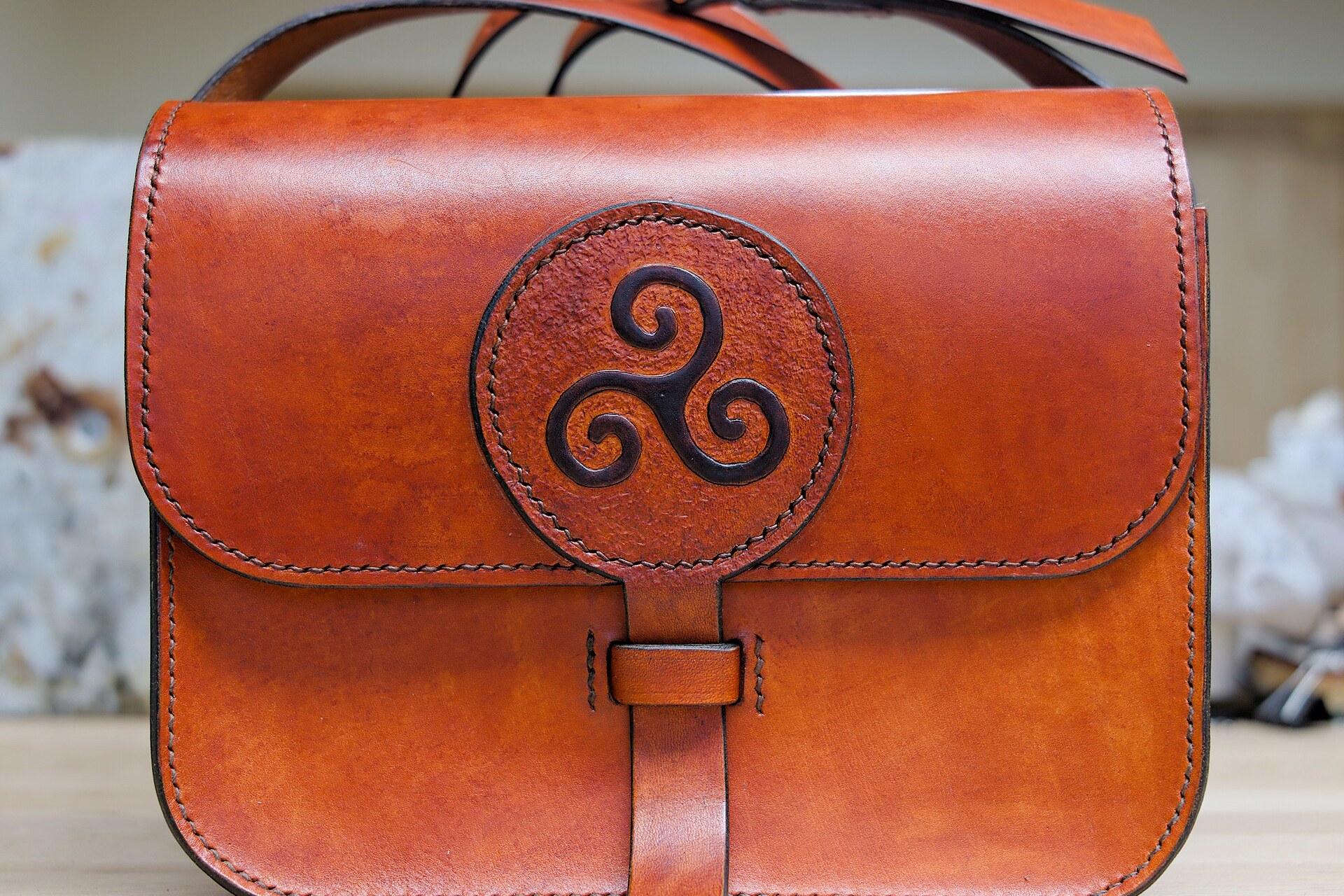
Brand overview: origins and positioning
Louis Vuitton was founded in Paris in 1854, when Louis Vuitton opened a workshop making trunks and luggage. The company's early success came from a practical innovation — flat-topped trunks that stacked easily, unlike the domed trunks of the time — and from the quality of its craftsmanship. The monogram canvas, introduced in 1896 by the founder's son Georges, became one of the most recognisable patterns in fashion. The company is now part of LVMH, the largest luxury group in the world, and its public reporting describes it as a global luxury house. Its scale is large, but its positioning is narrow and consistent: luxury, heritage, and craftsmanship, at the highest prices in mainstream fashion.
Louis Vuitton's positioning is luxury. It is not a mid-market brand and it is not a premium brand in the sense of Ralph Lauren; it is a luxury brand, where a handbag costs many times more than a functionally equivalent bag and is expected to last for decades. Public brand-recognition surveys in the United States and Europe regularly place Louis Vuitton among the best-known luxury brands, and its monogram is recognised even by people who have never bought a luxury product. That recognition reflects the brand's long history and its visibility, not a claim that its products are the best value — and this page judges Louis Vuitton on quality, durability, and value, with the luxury price always in view.
Louis Vuitton sells through its own stores and website only. It does not sell through department stores or other retailers, it does not hold sales, and it does not discount. That consistency means the price you see is the price you will pay, and it means the secondhand market is large — which is also where most counterfeits are found. Buy only from Louis Vuitton itself or from a reputable reseller that authenticates its products.
Main product lines
| Line | What it covers | Notes |
|---|---|---|
| Leather goods | Handbags, wallets, small leather goods | The core of the brand; the most recognisable products |
| Luggage and travel | Suitcases, travel bags, trunks | The brand's origin; still a significant line |
| Ready-to-wear | Women's and men's clothing | A smaller line relative to leather goods; fashion-led and expensive |
| Shoes | Women's and men's shoes | A luxury line; prices are high and the range is fashion-led |
| Accessories | Scarves, belts, jewellery, sunglasses, fragrances | Entry-level luxury products; the most accessible way into the brand |
The leather goods line is where the brand's reputation is built, and it is the best place to judge it: a well-made Louis Vuitton bag, in coated canvas or leather, is durable, well finished, and designed to last for decades. The ready-to-wear line is a different matter — it is fashion-led, it changes every season, and it is priced as luxury fashion rather than as durable clothing. Our clothing care guide covers leather care, and our secondhand buying guide explains how to check authenticity when buying luxury secondhand.
Strengths
- Craftsmanship. Leather goods are well made, with careful stitching, good hardware, and durable materials.
- Durability. A well-cared-for Louis Vuitton bag can last for decades and can be repaired by the brand.
- Resale value. Popular styles hold their value better than almost any other brand, and some styles appreciate on the secondhand market.
- Design heritage. A consistent, recognisable design language that has changed slowly over more than a century.
- Service. Repairs and aftercare are available through the brand's stores, which is a real benefit at this price.
Weaknesses
- Price. Luxury pricing, with no sales and no discounts — a handbag costs many times more than a functionally equivalent bag.
- Value for money. Much of the price pays for the brand and the image, not for function, and a non-luxury bag can be equally durable for far less.
- Counterfeits. The brand is one of the most counterfeited in the world, and fakes are sold widely online and in some markets.
- Visibility. The monogram is highly visible, which suits some people and not others, and it attracts attention, including unwanted attention.
- Clothing is fashion-led. The ready-to-wear line is expensive and changes every season, which makes it a poor choice for a durable wardrobe.
Who it suits — and who it does not
Louis Vuitton suits people who want a luxury leather good and who are willing to pay for craftsmanship, heritage, and resale value. It suits people who want a bag or a piece of luggage that will last for decades and that can be repaired, and people who value the brand's design and its place in fashion. It is a reasonable choice for a single, long-lasting luxury purchase — a bag bought once and used for years — rather than for a wardrobe of luxury clothes.
Louis Vuitton does not suit everyone. It is not the best choice for a tight budget, and if you want a durable bag for far less money, many non-luxury brands offer similar function for a fraction of the price. It is not the best choice for clothing — its ready-to-wear is expensive and fashion-led, and other brands do durable clothing better for less. And it is not the best choice if you dislike visible logos or if you do not want to attract attention. For the wardrobe system that a single luxury purchase fits into, see our capsule wardrobe guide and our clothing care guide.
Typical prices (as of November 2026)
| Item | Typical price range |
|---|---|
| Handbags | Typically around $1,500–$4,000; larger and leather styles typically higher |
| Small leather goods | Typically around $300–$800 |
| Luggage | Typically around $2,000–$5,000 |
| Ready-to-wear | Typically around $800–$3,000 per garment |
| Shoes | Typically around $800–$1,500 per pair |
| Scarves and accessories | Typically around $200–$800 |
Prices vary by style and by material, and the brand does not hold sales. Treat these figures as a guide to the brand's price level, not as a quote for a specific product.
Editorial verdict
Louis Vuitton is a luxury brand that earns its reputation in leather goods and does not earn it in clothing. A well-chosen bag, bought from the brand itself, kept for decades, and repaired when needed, is a defensible luxury purchase — not because it is good value in the ordinary sense, but because it lasts, it holds its value, and it is made well. The brand's clothing, by contrast, is expensive fashion, and it is a poor choice for anyone building a durable wardrobe. Buy Louis Vuitton for a single leather good you will keep for years, buy it only from the brand or from a reputable authenticated reseller, and do not buy it as clothing. For keeping leather goods in good condition, see our clothing care guide, and for checking authenticity secondhand, see our secondhand buying guide. Wardrobe Atlas has no affiliation with Louis Vuitton and receives no payment from the brand; see our brands index for the same treatment of Ralph Lauren and Uniqlo.
About the Author
Alex Carter writes Wardrobe Atlas. He researches clothing the slow way: reading fabric labels, comparing construction across brands, checking size charts against real measurements, and wearing pieces through ordinary weeks of work, travel and laundry before writing about them. He receives no payment from the brands discussed on this site, and Wardrobe Atlas currently contains no affiliate links.
More Brand Reviews
More Guides
- How to Build a Capsule Wardrobe That Actually Works in the US
- Denim Fit Guide: How to Read Size, Rise, Stretch and Wash
- Winter Layering Without the Bulk
- How to Tell Good Fabric From Cheap Fabric Before You Buy
- Workwear That Survives a Full Day: What to Look For
- Athleisure vs Activewear: Where to Spend and Where to Save
- Holiday Gift Guide: Practical Clothing Gifts by Budget
- How to Care for Your Clothes So They Last Twice as Long